






In the world of heavy hauling and specialized freight transportation, terminology matters. One term that frequently comes up when moving oversized or extremely heavy equipment is RGN trailer. But what exactly does RGN stand for, and why is this type of trailer so important?
Definition: RGN = Removable Gooseneck
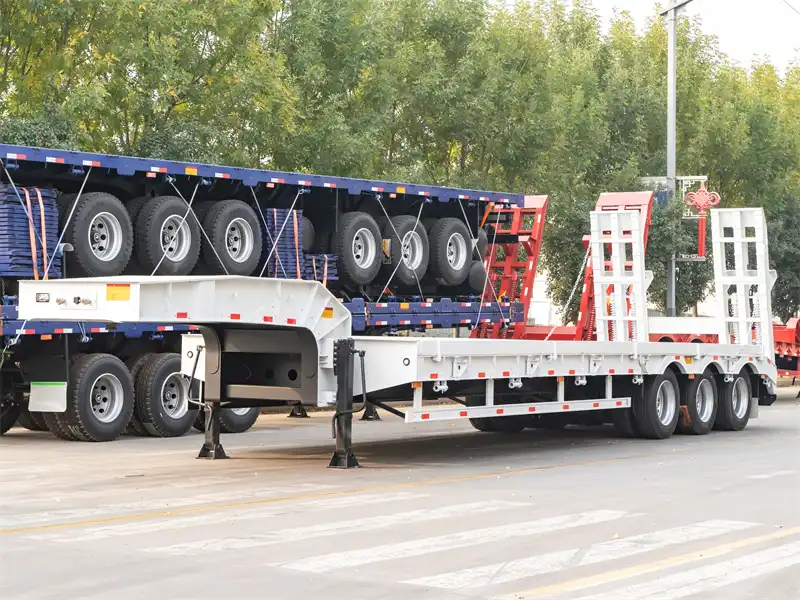
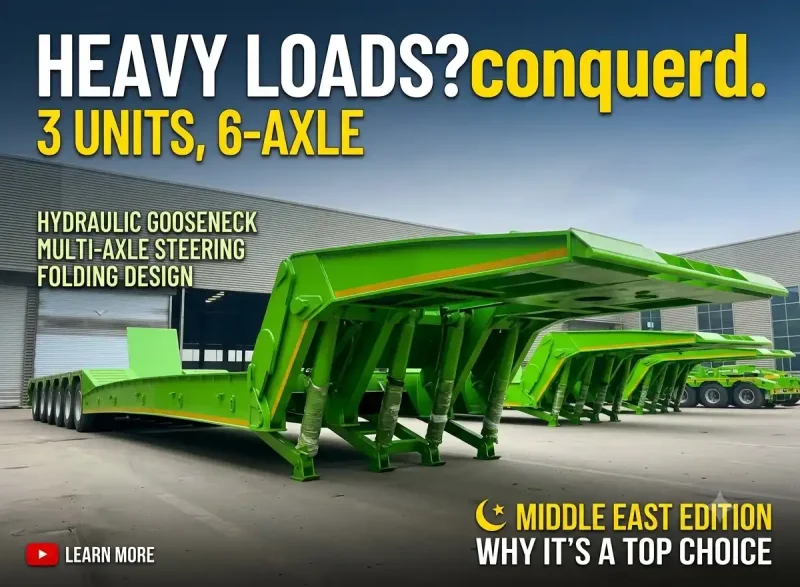
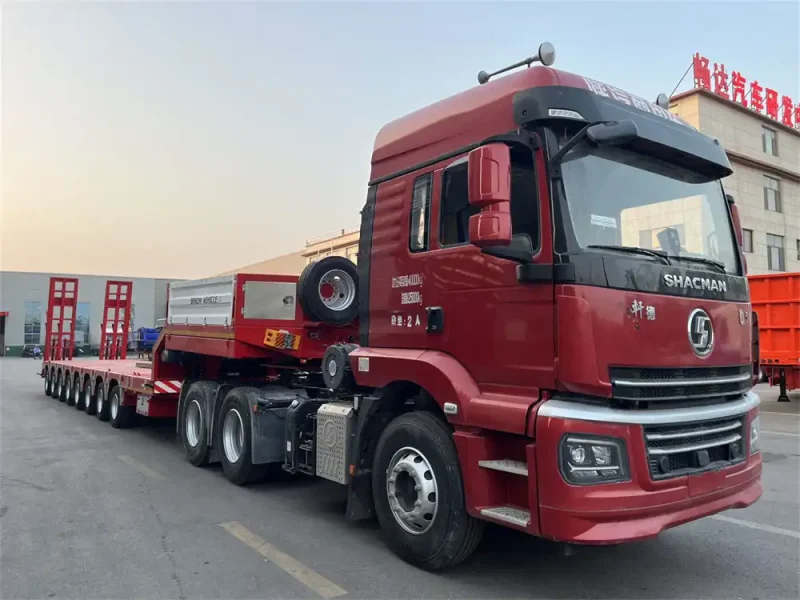
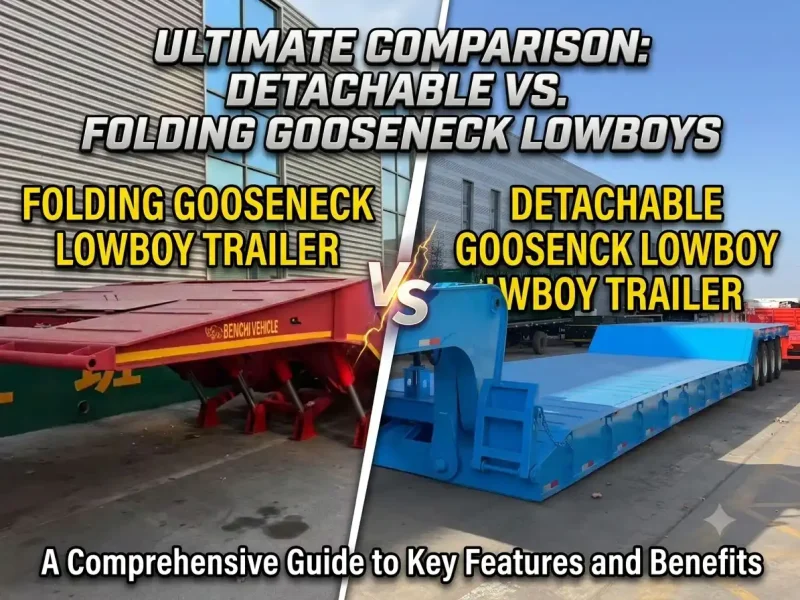
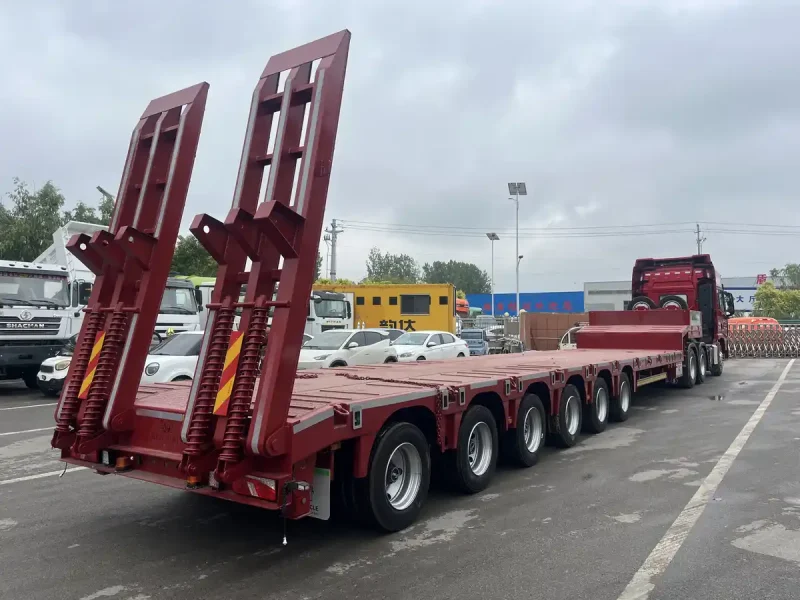
RGN stands for Removable Gooseneck. An RGN trailer is a low-bed, heavy-haul trailer with a detachable front neck (the gooseneck). When the gooseneck is removed, the trailer deck lowers flat to the ground, creating a drive-up ramp for loading and unloading heavy equipment.
How Does an RGN Trailer Work?
The defining feature of an RGN trailer is its two-piece design:
-
The Gooseneck (Front Section): This part connects to the semi-truck’s fifth wheel. It contains the hydraulics and can be completely detached from the main deck.
-
The Main Deck (Rear Section): This is the low-profile platform that carries the load.
To load equipment, the operator detaches the gooseneck, which tilts or lowers the front of the main deck to ground level. Heavy machinery can then drive or be winched directly onto the flat deck. Once loaded, the gooseneck is reattached, and the deck rises to traveling height (usually 10–12 inches off the ground).
Key Features of RGN Trailers
-
Low Deck Height: Typically 10 to 24 inches from the ground, allowing for tall loads to clear bridges and overpasses.
-
High Weight Capacity: RGNs are built for extreme weight, often ranging from 40 to 150+ tons.
-
Drive-On/Drive-Off Capability: Ideal for wheeled or tracked equipment that cannot be lifted easily.
-
Hydraulic Operation: Most modern RGNs use hydraulics to raise, lower, and detach the gooseneck.
Common Uses of RGN Trailers
Because of their strength and low profile, RGN trailers are the go-to choice for transporting:
-
Construction Equipment: Bulldozers, excavators, backhoes, and wheel loaders.
-
Agricultural Machinery: Large tractors, combines, and harvesters.
-
Industrial Components: Generators, transformers, large pipes, and storage tanks.
-
Military Vehicles: Tanks, armored personnel carriers, and heavy trucks.
RGN vs. Other Low-Boy Trailers
It’s easy to confuse an RGN with other low-boy trailers. Here’s a quick comparison:
| Trailer Type | Loading Method | Deck Height | Best For |
|---|---|---|---|
| RGN | Drive-on via removable neck | 10–12 inches | Heavy, self-propelled equipment |
| Fixed Gooseneck | Winch or lift from rear | 18–24 inches | Lighter, non-drivable loads |
| Hydraulic Detachable Gooseneck (HDG) | Similar to RGN but larger | 10–12 inches | Extremely heavy (200+ tons) |
Note: Some people use “RGN” and “low-boy” interchangeably, but technically, an RGN is a specific type of low-boy with a removable gooseneck.
Advantages of Using an RGN Trailer
-
No need for cranes or ramps – equipment loads under its own power.
-
Superior ground clearance for tall loads.
-
Stable and safe – low center of gravity reduces tipping risk.
-
Versatile – many RGNs have removable rear sections or flip extensions for longer cargo.
Disadvantages
-
Higher cost to purchase or rent compared to fixed-neck trailers.
-
More maintenance due to hydraulic components.
-
Requires skilled operators to detach and reattach the gooseneck properly.
Conclusion
An RGN trailer (Removable Gooseneck trailer) is an essential tool in heavy haul transportation. Its ability to lower flat to the ground and accept drive-on loading makes it perfect for moving massive, non-liftable equipment safely and efficiently. Whether you’re hauling a D11 bulldozer across a state or moving a combine harvester between farms, the RGN trailer is the industry standard for a reason.
If you’re in construction, agriculture, or logistics, understanding what an RGN trailer is – and how it works – can help you make smarter equipment-moving decisions.