

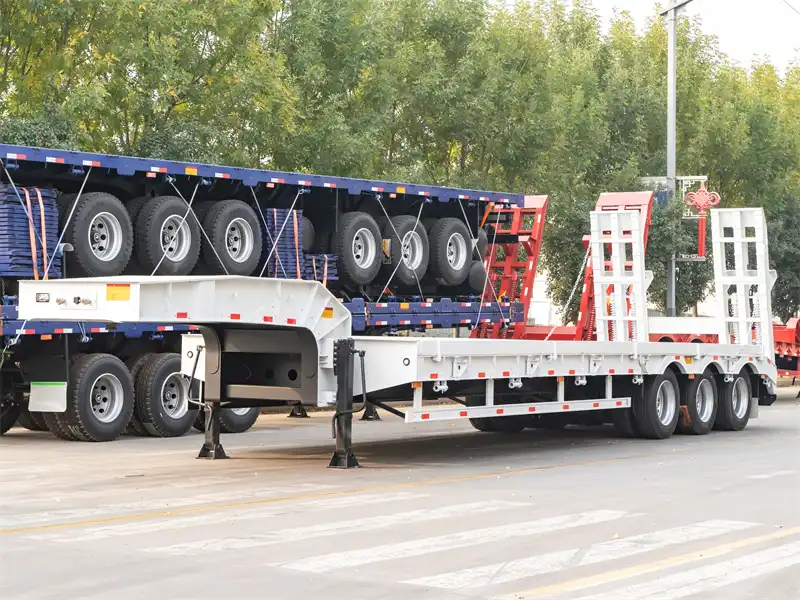
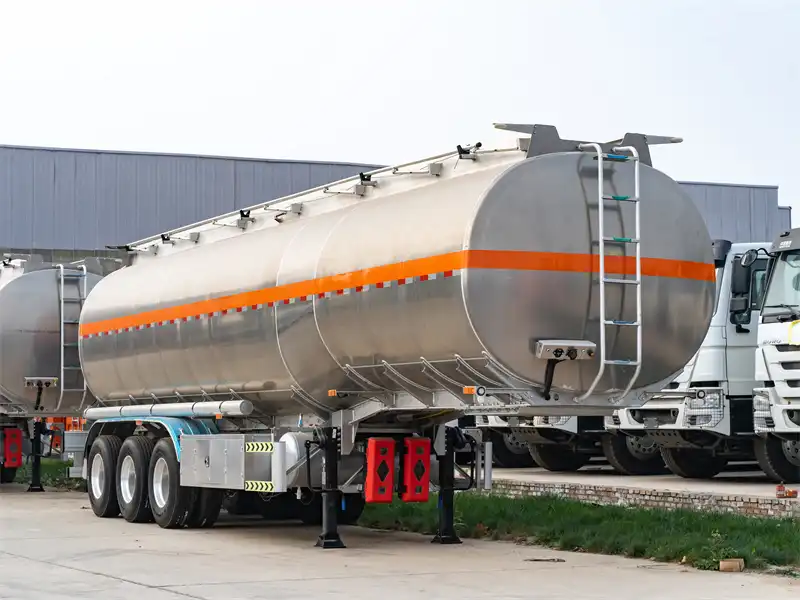
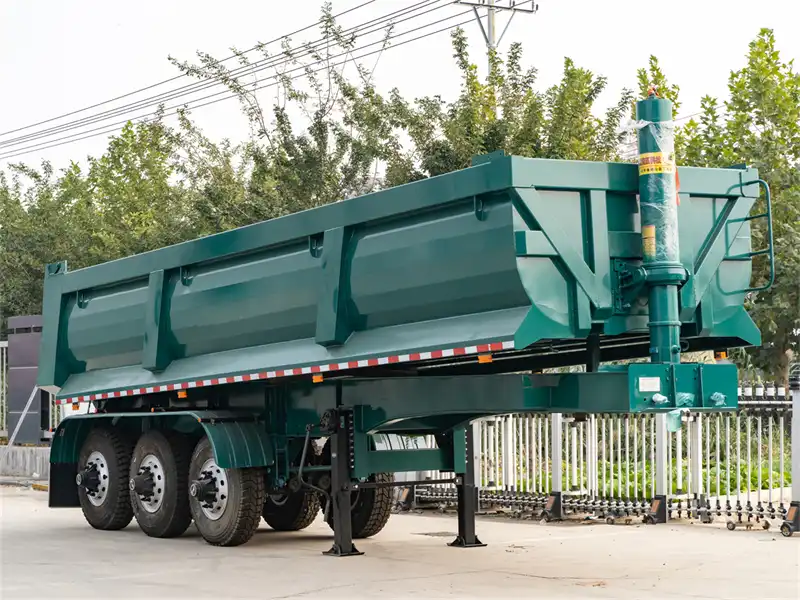
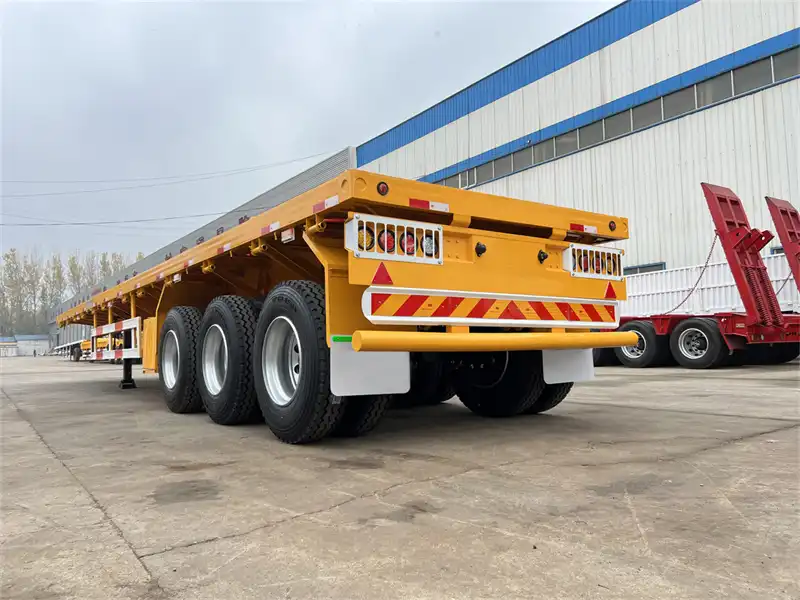

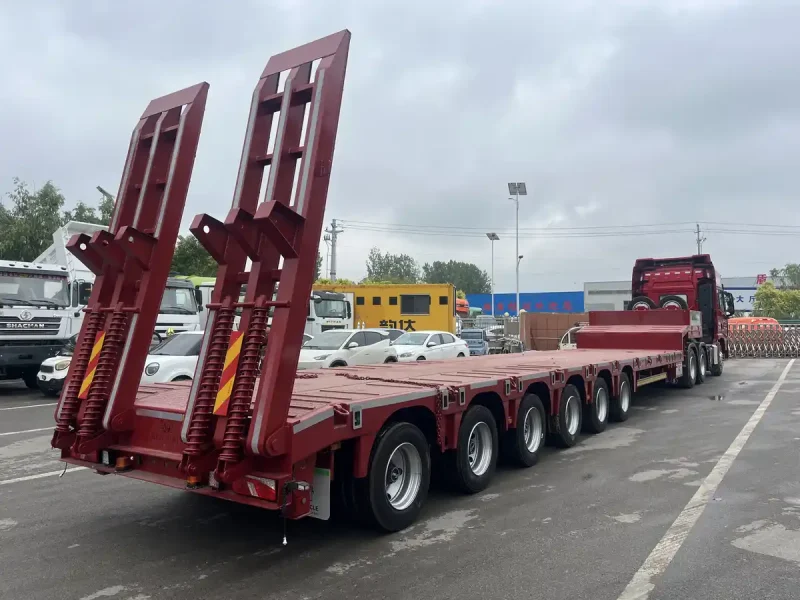



The global demand for reliable logistics, mining infrastructure, and construction heavy-haulage is soaring. To safely move massive, oversized machinery without exceeding legal road height limits, fleet operators rely on one essential asset: the Lowboy Trailer (also commonly referred to as a Lowbed Trailer in international markets).
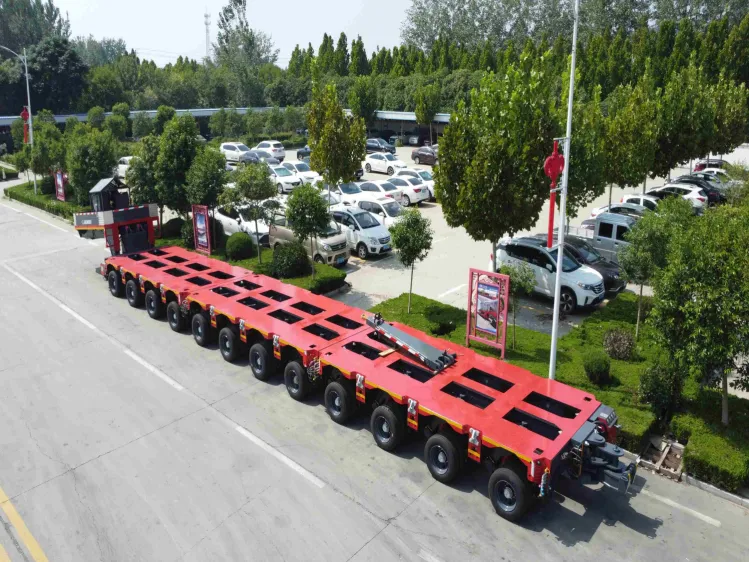
As a premier, dedicated leader in semi-trailer manufacturing, Shandong BENCHI Heavy Industry Co., Ltd. engineers heavy-duty lowboy and lowbed semi-trailers capable of conquering the harshest operational environments across Africa, Central Asia, and South America. This comprehensive technical guide breaks down everything you need to know about lowboy trailers, their industrial applications, and how factory-level engineering protects your Total Cost of Ownership (TCO).
Get Quotations!
Contact usWhy Is It Called a Lowbed Trailer?
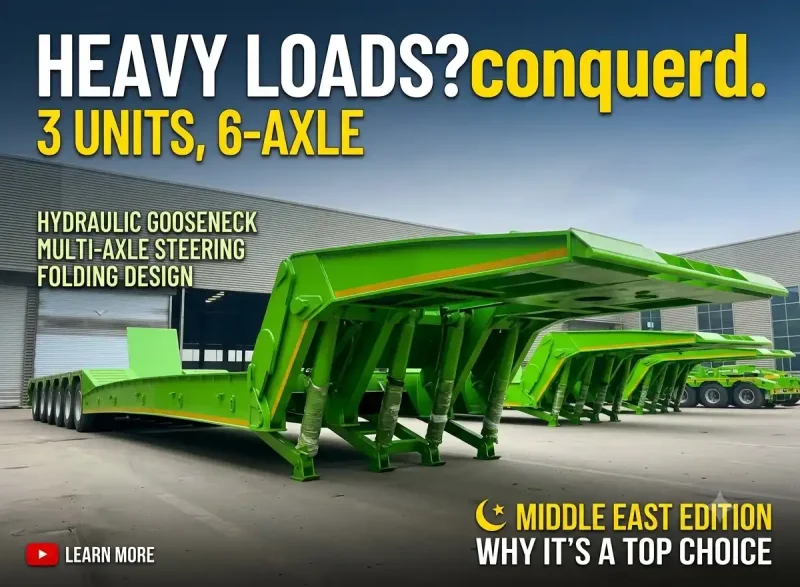
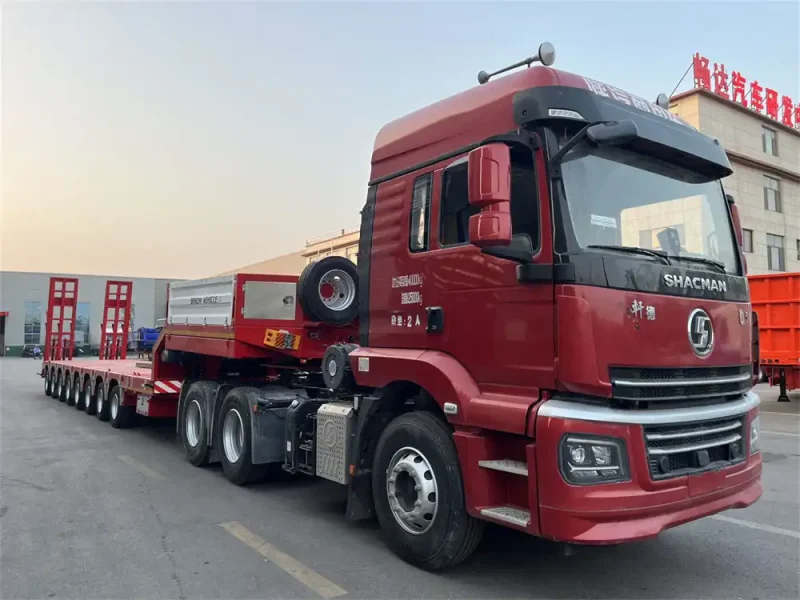
The name “lowboy” directly describes its signature structural architecture: an exceptionally low deck position. Unlike standard flatbed trailers whose decks sit directly over the wheels, a lowboy trailer features a dropped cargo deck nestled between the gooseneck and the rear axle assembly.
By dropping the deck height closer to the ground, a lowboy trailer creates crucial vertical clearance. This allows transport fleets to carry exceptionally tall machinery—such as hydraulic excavators, massive bulldozers, crawler cranes, and heavy mining assemblies—while strictly complying with legal overhead road clearances, preventing costly bridge and powerline collisions.
Key Features of a BENCHI Heavy-Duty Lowboy Trailer
At BENCHI Heavy Industry, we dedicate 100% of our production lines, robotic welding infrastructure, and engineering R&D to mastering semi-trailer chassis strength. A true factory-direct lowboy trailer from BENCHI offers distinct technical advantages:
BENCHI Lowboy Engineering & Performance Benefits
| Technical Feature | Structural Specification | Operational Benefit for Fleets |
| Ultra-Low Deck Height | Highly optimized ground clearance profiles. | Maximizes cargo height clearance for tall machinery. |
| High-Tensile Steel Frame | Premium Q345B alloy steel or T700 ultra-high-strength steel main beams. | Eliminates structural cracking and beam sagging under heavy overloads. |
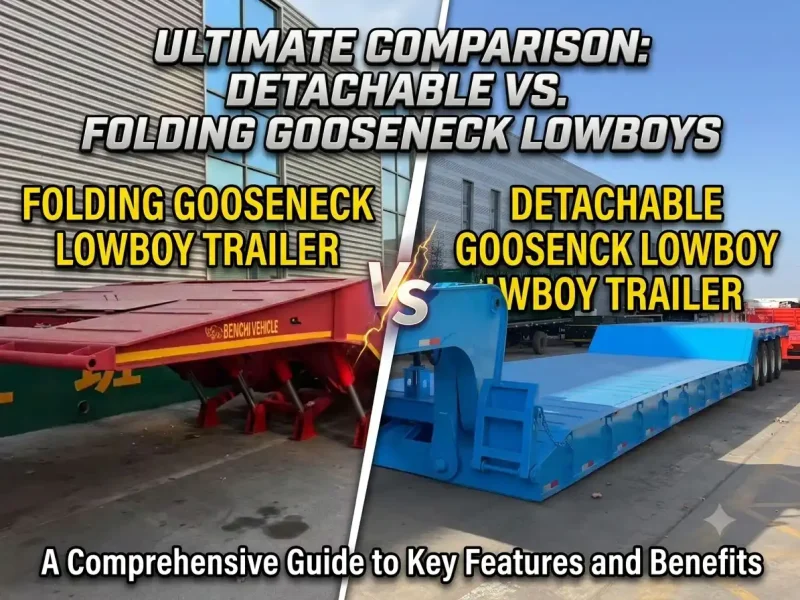
| Detachable Gooseneck (RGN) | Hydraulic or mechanical front-loading configurations. | Allows machinery to be driven directly onto the deck from the front, speeding up loading cycles. |
| Reinforced Suspension | Heavy-duty mechanical leaf springs or specialized air suspension setups. | Maximizes shock absorption on unpaved gravel and rough mining roads. |
| Premium Axle Integration | Certified FUWA or BPW heavy-duty axles (13T / 16T / 20T). | Guarantees superior weight distribution and long-term braking safety. |
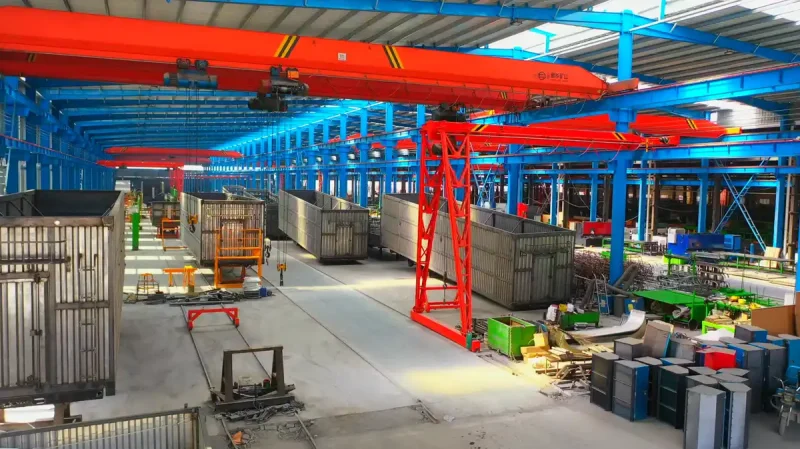
[CNC Laser Steel Profiling] ➔ [Automated Gantry Submerged Arc Welding] ➔ [Shot-Blasting Structural Prep] ➔ [High-Bake Anti-Corrosion Coating]
Common Lowboy Trailer Applications
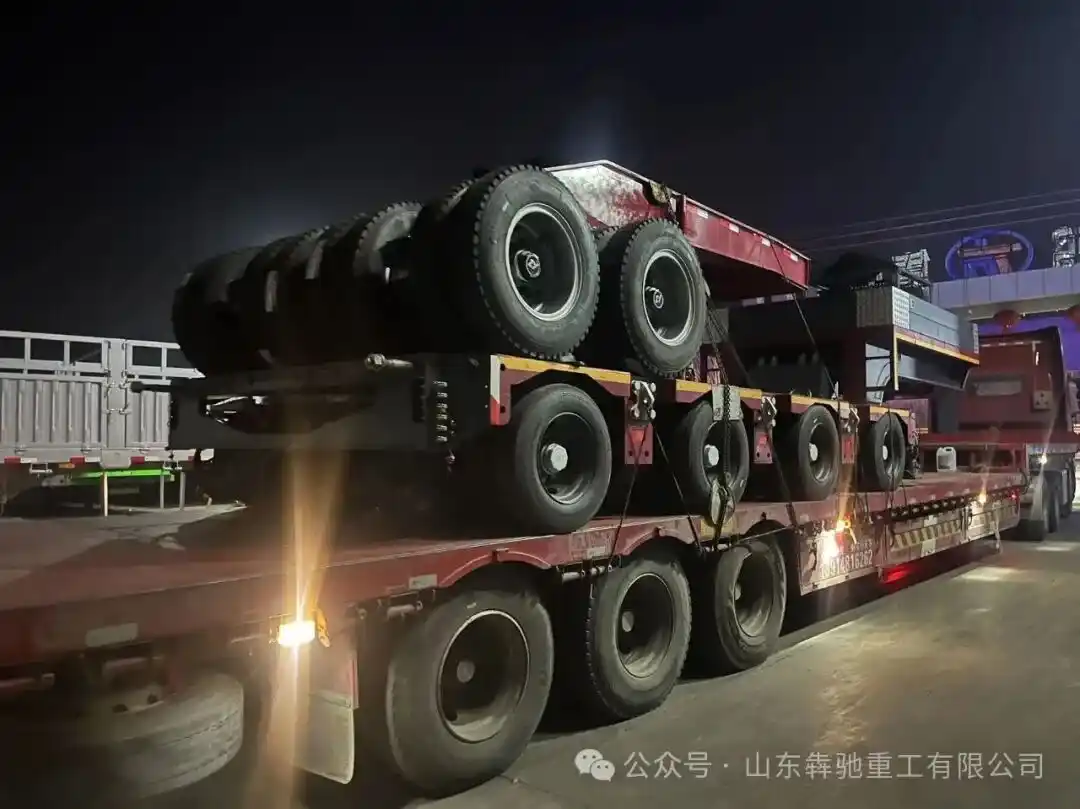
Because a single factory floor cannot house the tooling requirements for vastly disparate manufacturing sectors, BENCHI chooses not to manufacture tractor trucks. Instead, we focus entirely on the trailer frame itself. This allows us to perfectly customize our lowboy and lowbed trailer variants across a multitude of heavy industrial verticals:
-
Construction & Earthmoving: Transporting high-tonnage excavators, wheel loaders, motor graders, and bulldozers directly between jobsites without time-consuming machine disassembly.
-
Mining & Quarrying: Hauling heavy crushing equipment, surface drill rigs, and high-capacity dumper components in remote mining claims.
-
Energy & Power Infrastructure: Moving massive electrical transformers, industrial diesel generators, and wind turbine components.
-
Specialized Logistics: Utilizing multi-axle configurations or SPMT (Self-Propelled Modular Trailers) configurations for complex, non-standard oversized monolithic industrial blocks.
Lowboy Trailer vs. Standard Flatbed Trailer
Understanding the structural differences between trailer archetypes is crucial for supply chain risk mitigation.
Structural Trade-offs: Lowboy vs. Flatbed
| Specification | BENCHI Lowboy / Lowbed Trailer | Standard Flatbed Trailer |
| Deck Height | Exceptionally low (dropped center well). | Uniformly high (sits above axles). |
| Heavy Machinery Transport | Excellent: Designed for heavy concentrated payloads. | Poor: Susceptible to beam bending under concentrated loads. |
| Oversized Clearance | Ideal: Low center of gravity prevents tipping. | Restricted: High risk of exceeding legal height limits. |
| Loading Safety | Superior: Shallower ramp angles for safe loading. | Hazardous: Steep ramp angles introduce rollover risks. |
| Primary Payload | Excavators, Tippers, TBMs, Mining Gear. | Palletized Freight, Containers, Structural Pipe. |
How Much Weight Can a Lowboy Semi-Trailer Carry?
The ultimate payload capacity of a lowboy semi-trailer is determined by its engineering design and axle configuration. Splitting the weight across multiple heavy-duty axles ensures compliance with localized highway weight regulations.
-
2-Axle Lowboy Trailers: Typically rated for 20–40 Tons. Ideal for medium-sized construction equipment like backhoes and small compactors.
-
3-Axle Lowbed/Lowboy Trailers: Rated for 40–60 Tons. This represents our most popular export configuration for standard mining and infrastructure fleets.
-
4-Axle & Multi-Axle Lines: Rated for 60–100+ Tons. Engineered with reinforced chassis web-plates and heavy-duty tandem groupings for severe-duty logistics.
Factory Customization Advantage: If your operation demands customized structural modifications, BENCHI’s in-house engineering team can execute Finite Element Analysis (FEA) stress modeling to design tailor-made lowbeds capable of safely handling concentrated payloads exceeding 150 tons.
Critical Factors to Consider When Procuring a Lowboy Trailer
To avoid middleman markups and secure a trailer that fits your fleet’s exact requirements, look for a dedicated manufacturer who can adapt your trailer to the following variables:
1. Cargo Dimensions & Concentrated Weight
Always calculate the maximum weight of your heaviest machine. More importantly, check where that weight rests. A 60-ton excavator concentrates its weight across its tracks, requiring a lowbed with reinforced side outriggers and heavy-duty structural crossmembers.
2. Universal Tractor Truck Compatibility
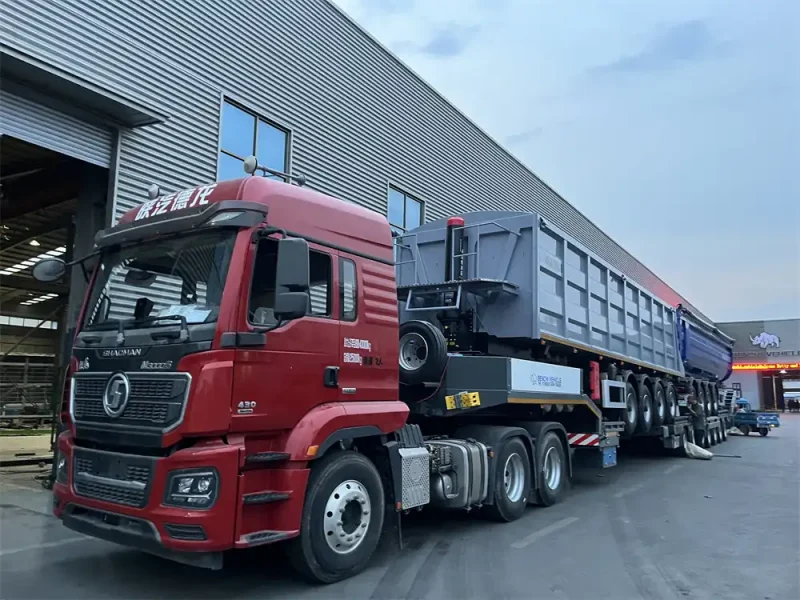
Because BENCHI is a dedicated trailer factory, our engineering team designs our semi-trailers to offer seamless compatibility with all major global tractor truck brands (such as Sinotruk HOWO, Shacman, FAW, Volvo, Scania, and Mercedes-Benz). We customize the kingpin size (2-inch or 3.5-inch), fifth-wheel coupling height, dual-line air brake connections, and electrical voltage harnesses (12V or 24V) to precisely match your existing tractor fleet.
Why International Fleet Buyers Trust BENCHI Heavy Industry
When importing specialized equipment from China, working directly with a dedicated manufacturer like Shandong BENCHI Heavy Industry Co., Ltd. protects your investment:

-
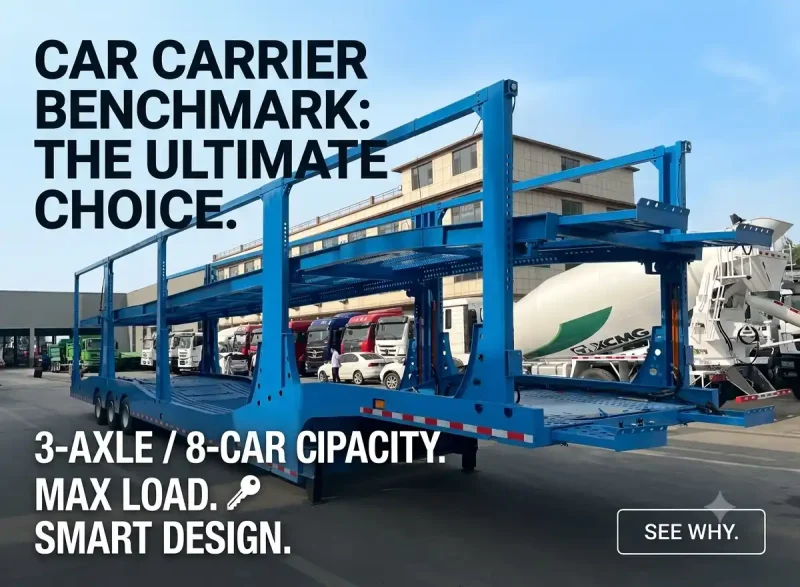
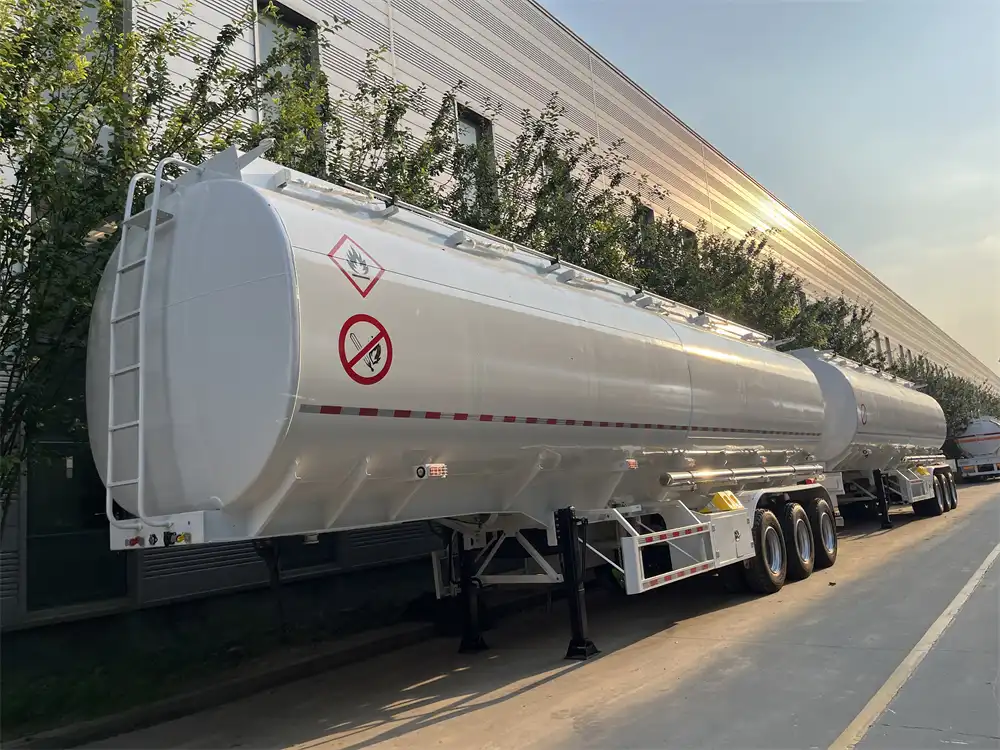
100% Focused Trailer Expertise: We don’t dilute our focus by selling mixed commercial lines like solar panels or used cars. We specialize exclusively in high-performance semi-trailers (Car Carriers, Lowbeds, Tippers, Container Trailers, Box Trailers, and SPMT).
-
Verified Statutory Compliance: BENCHI holds active corporate listings in the Ministry of Industry and Information Technology (MIIT) catalog and maintains fully traceable China Compulsory Certifications (CCC). The name on your contract matches the name on our factory floor and your export Bill of Lading.
-
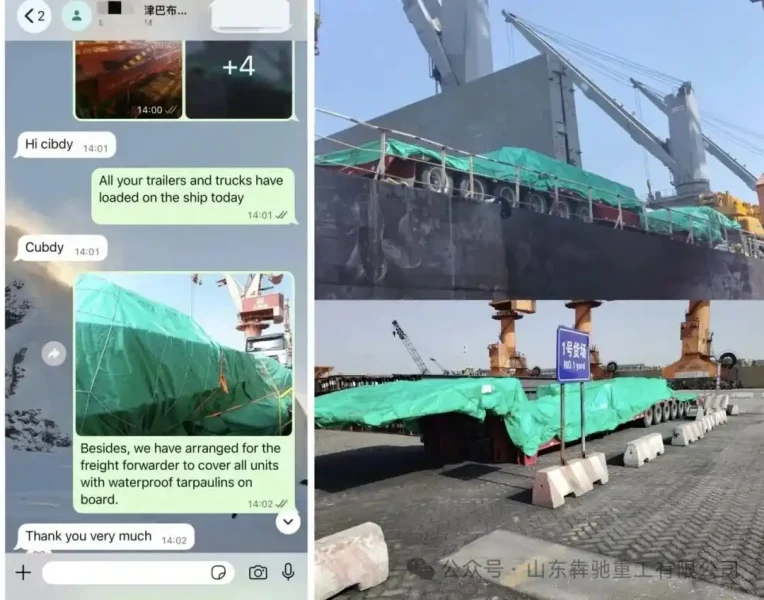
Total Production Transparency: We invite international clients to conduct live video audits via WhatsApp or WeChat directly onto our assembly floor. Every buyer receives high-definition milestone tracking photos from initial CNC steel cutting to final paint inspection.
Get Quotations!
Contact usFrequently Asked Questions (Procurement FAQ)
1. What is the difference between a mechanical ramp and a hydraulic ramp on a lowboy trailer?
Mechanical ramps rely on heavy spring-assisted manual operations to drop and lift. Hydraulic ramps utilize an integrated electric/hydraulic pump system, allowing operators to lower the rear ramps safely at the push of a button, greatly improving loading efficiency and operator safety.
2. How do I verify that my trailer supplier is a real factory and not a trader?
A real manufacturer will have a business license that explicitly includes terms like “Manufacturing” or “Production” (制造 / 生产), rather than just “Sales” or “Trading”. Furthermore, a genuine factory like BENCHI can instantly provide custom engineering blueprints, steel grade certifications, and real-time live video feeds of the active assembly line.
3. What steel grade does BENCHI use for heavy-duty lowboy trailers?
We use high-strength Q345B manganese steel for standard main I-beams. For severe-duty mining profiles or ultra-lightweight configurations, we upgrade the main structural components to T700 high-tensile steel to guarantee maximum yield strength without adding unnecessary deadweight.